Park US-6324 with KV9L was a blast!
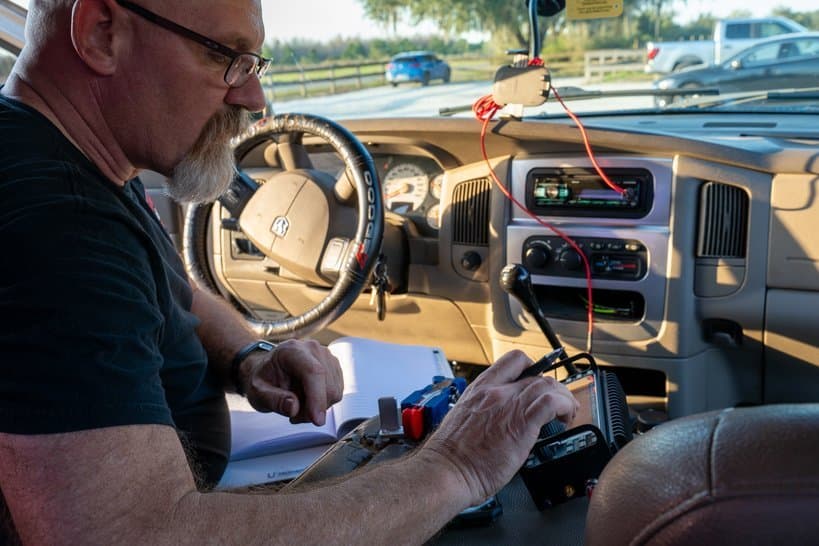
We only had two hours to get the activation secured by the time we got there…
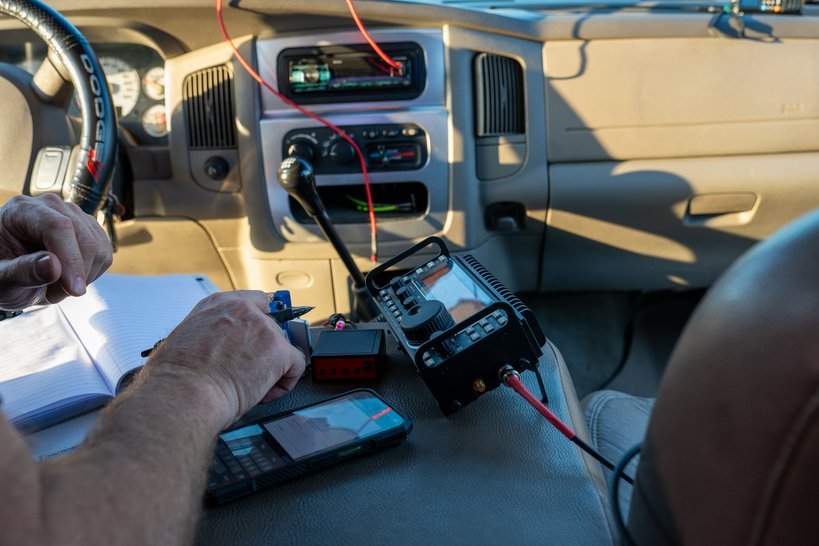
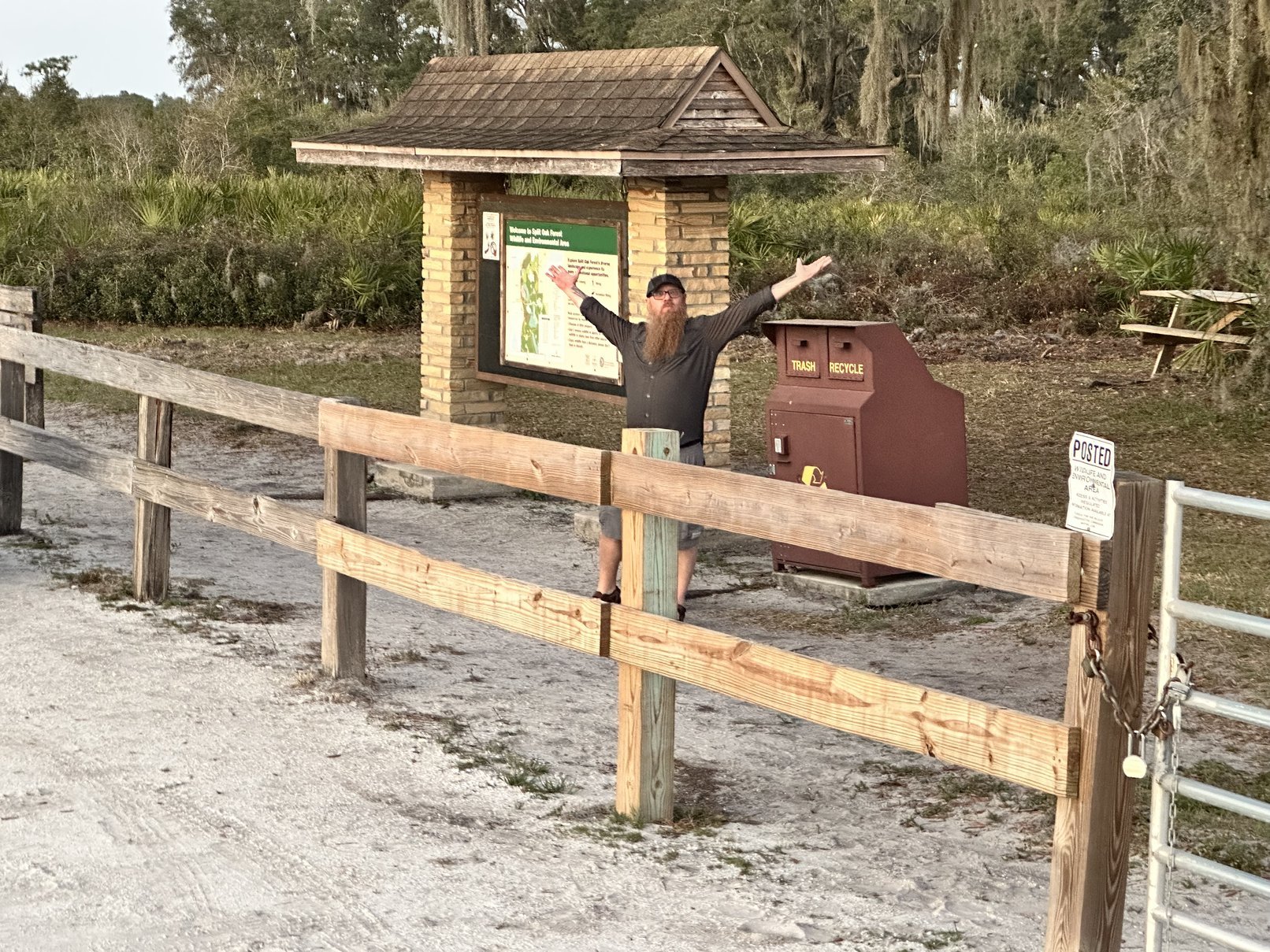
This park is a really nice park on the SE corner of the greater Orlando area and is an easy drive, albiet slow due to traffic, from town. We arrived just a little over 2 hours before dark and I immediately sprang into action with the antenna. I wanted to make sure we had the activation in before the end of the UTC day so I wanted to use 20 meters and CW. These have traditionally given me the best results in the past with getting the activation so Aaron got his Elecraft KX3 out and I hooked up my BRAND NEW Begali Traveler key to it and got to work. (We both picked up a Begali Traveler at Hamcation)
I worked CW on 20 meters to get the activation in the bag. To be able to get things moving even faster, I used my keyer from the Ten Tec Argonaut 5 kit, which already had my messages for POTA stored in it. This saved several valuable minutes of time as I didn’t have to look up how to record memories into the KX3 directly. It did take a hot minute to get a cable to work with the Picokeyer and the Elecraft KX3 though, as I had a whole bunch of stuff cobbled together for the Argonaut 5 and it was different for the Elecraft. Once we got the keyer in straight key mode in the radio, and also got the right cable arrangement, it started working perfectly. I promptly got on 20 meters and hunted a clear frequency and then got started calling CQ.
To say that having a nice CW key is a wonderful thing is an understatement of the highest order. The Begali Traveler is a key designed to be taken to parks and operated portable. This thing, although coming to the owner as factory set and ready to go, needed a little adjustment for me to be happy with it. I wanted to open the contacts slightly more as I tend to let my fingers rest on the paddles and the key was set so sensitive from the factory that I was sending stuff when I was just resting my hand on the key.
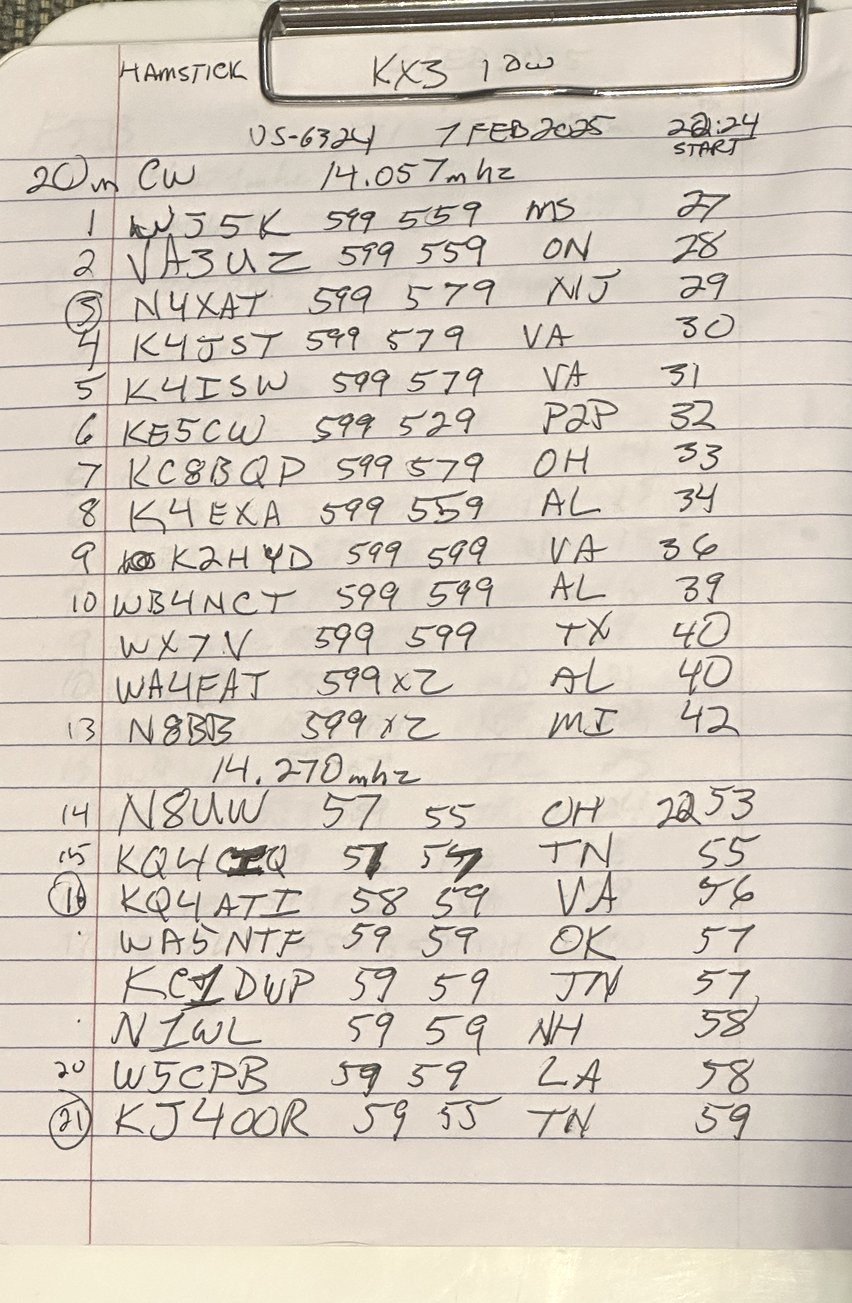
The band was being strange on this day. I kept running into the signal just disappearing on me during a QSO, the QSB (fading) was significant at times. It got so bad that I started wondering if something was wrong with the keyer or radio… I have also finally figured out how to get HAMRS to work on my computer…actually Aaron figured it out and showed me what to enter into the terminal to get it to work…and now I can log with the computer in real time if I want to, but as of right now, I still like to use pen and notebook like you see above.
The Elecraft KX3 is such a wonderful CW machine that I almost want to order one…almost… (I secretly want one super bad actually but I am flush with working POTA rigs and really dont have any room for one right now.) The filtering on the KX3 makes signals seem to leap out at you from the noise and it is easy copy on even the weakest of signals. When I get the chance to use one of these radios, I always take that chance and get some time on it.
It did take a few minutes to get ten contacts into the log, (about ten minutes actually…lol) and then right at the end I got a little pile-up and worked 13 QSOs on CW total before shutting down the machine and switching it out for the Ten Tec Scout 555 so we could operate SSB and have a little more transmitter power too. The Scout has about 50 watts of output power and is set at just one power level via a small hole on the bottom of the radio and a tiny plastic screwdriver like tool. This means we should be able to make some contacts as a two operator setup on SSB.
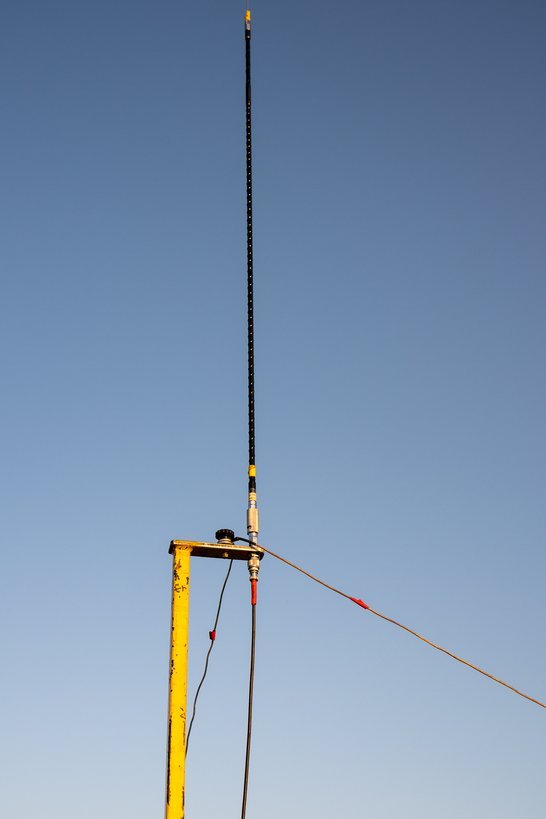
All of this happened on the 20 meter ham stick, I also used two radials to get a much better Q on the antenna, which gives me a lot better bandwidth. Once I placed the radials in the right positions to make the nanoVNA happy, we were off to the races. This setup works surprisingly well to be honest about it. I have a new antenna that we will be trying out soon that I picked up at HamCation so be on the lookout for that soon as well.
The tune worked out with the ham-stick so well that we didn’t have to re-tune if for SSB, which is a little out of the ordinary for a ham-stick, which for people that use them regularly will know. I am suspecting it has to do with the height of the mount and the size of the radials that help with this.
Once we had the radios switched out, we got on the air and found a clear frequency then started calling CQ. Once spotted on the website, it didn’t take long to get a little pileup going and we were not really efficient since we were also running two operators at this point too. On top of all that, we had never worked an activation together either…lol. There was a lot of learning to do while at this little park. The park is located just outside of SE Orlando and is an easy drive to be honest from the city. The hardest part was having to wait in traffic at times due to the traffic lights not being synchronized.
20 meters is a great band to hop on when you are short on time and want to get as many contacts as possible in the shortest amount of time. It is the Lord’s Band in my opinion…lol. We didn’t do any real experimenting this trip since we only had about 1 3/4 hours till the UTC day ended and we really wanted to secure the activation. This is why I set up the hamstick for 20 meters and we didn’t change from that band. Time was of the essence in the humid Florida winter air…as the “no-see-’ems” started coming out too. This is something I thought only happened in the warmer months but apparently it also happens in the winter too if the day gets warm enough.
The SSB crowd was super nice and we were finally able to get the pileup cleared so we called QRT and broke it all down to go get supper. This trip was kinda special as we were able to stay together so we were able to get some pizza and crash at the end of the day and setup a station at our temporary QTH. This allowed us to hunt some parks while eating pizza… how much better does it get?
Something I noticed while at the park and on SSB, we could work two contacts a minute, and two operators to boot! That is 4 QSOs a minute as compared to my 1 a minute on CW is a huge difference. So I can see how people can fill a log in one day with SSB contacts and we were not very efficient either. I can only imagine the speed of the QSOs with someone who is skilled at it.
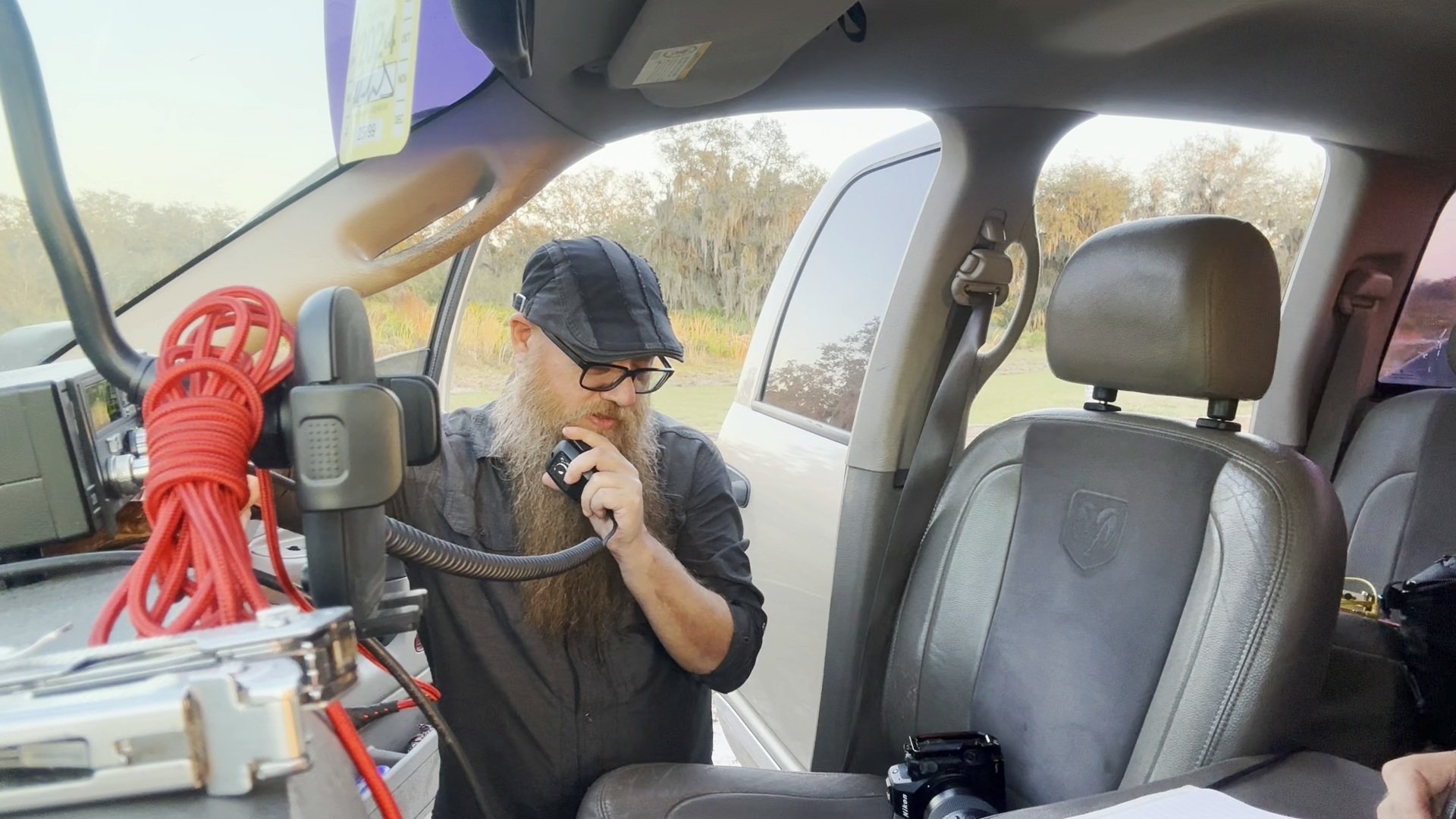
After we got everything broken down and put away, we decided to get two park to park contacts each with our HTs on FM. This is on our channel as a short if you want to get a good laugh while you watch us bumble through a couple of FM QSOs for park to park credit…lol.

Something of note is that when I am out of town from my usual park, I will see states in the log that I just cant work at home. States like Alabama that you see in the log more than once, I usually don’t work since I dont get on 40 meters or 80 meters a lot at home. Tennessee is another uncommon state for me at home. I will get it occasionally, but not very often. That just makes it all the more fun for me.
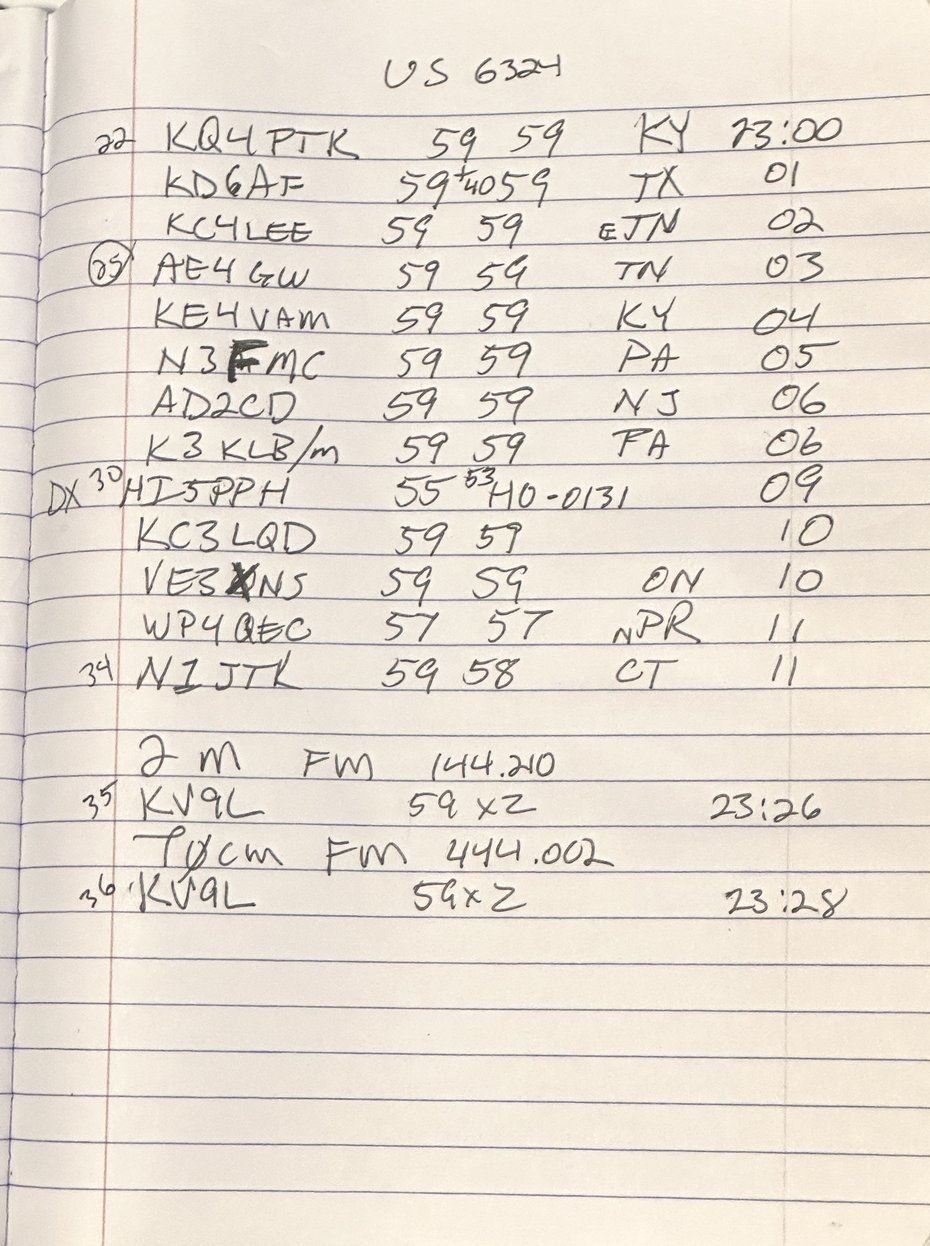
All in all, we had a great time and worked three different modes in one outing with two operators. This just goes to show that you can do extra curricular activities at a large event like Hamcation and all that before supper…
73
David - WK4DS
Our Silly P2P Activation
#block-yui_3_17_2_1_1739674353421_9260 .social-icons-style-border .sqs-svg-icon--wrapper { box-shadow: 0 0 0 2px inset; border: none; }
[
](https://www.youtube.com/@HamRadioToday)[
](https://www.instagram.com/ham.radio.today/)[
](https://www.facebook.com/groups/hamradiotoday)[
](https://www.tiktok.com/@ham.radio.today)[
](https://discord.gg/XTxk6MuqAU)