Back in central Florida…doing silly antenna builds.
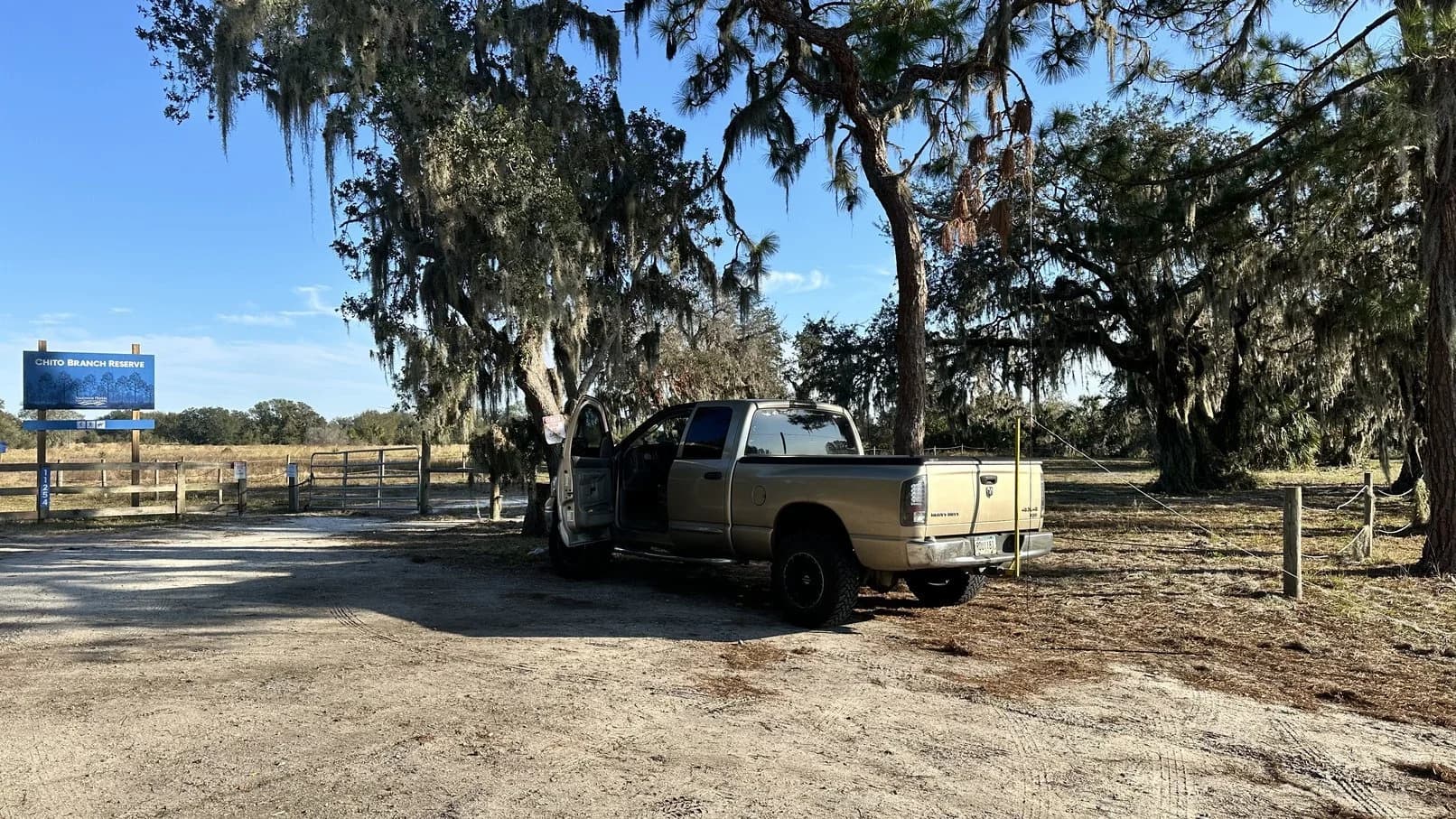
Here we are, back in central Florida, running from the cold back home for a little bit and I had the chance to activate one of my favorite parks near Tampa.
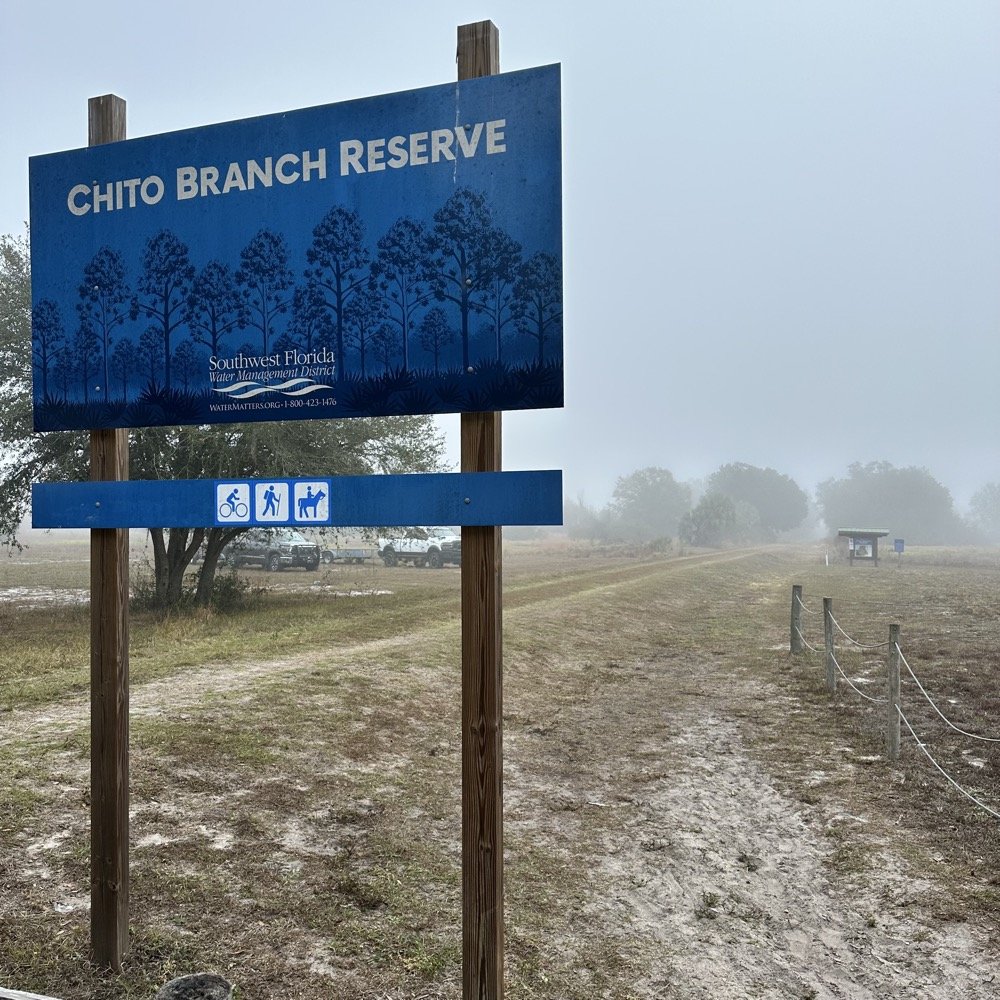
The main reason this is one of my favorites is the proximity to the city, it is 30 minutes from the city and a pretty easy drive to be honest about it. Amateur radio is part fun and part time management. The ability to have more time to get on the radio is directly proportional to the amount of time you spend on other activities. Well, maybe not proportional but you get the point.
I like doing the operating, but I also like playing with the antenna and understanding what changing things will have on the tune of the antenna. The nanoVNA has unlocked this aspect of amateur radio for me in particular. I find it facinating how simply changing the position or location of a radial will completely change the tune of an antenna. Elevating the radial above the ground as compared to laying it on the surface will alter things quite dramatically. You really cant see what is happening with a antenna tuner as easily as you can on the display of the VNA. I should have grabbed some photos of what I was seeing today while tuning the 18.4” whip to 40 meters.
This antenna will tune, without load coils, to the 20 meter and higher bands. The problem is that it is just too short for 30 meters and below. Well, I wanted to get on 40 meters this morning and work some FT8 before the band grew too noisy to be useful. I could only do this two ways with what I had with me today.
-
Get out the antenna tuner and tune it up like that.
-
Get out my homebrew 40 meter load coil and straighten it out so it will work again.
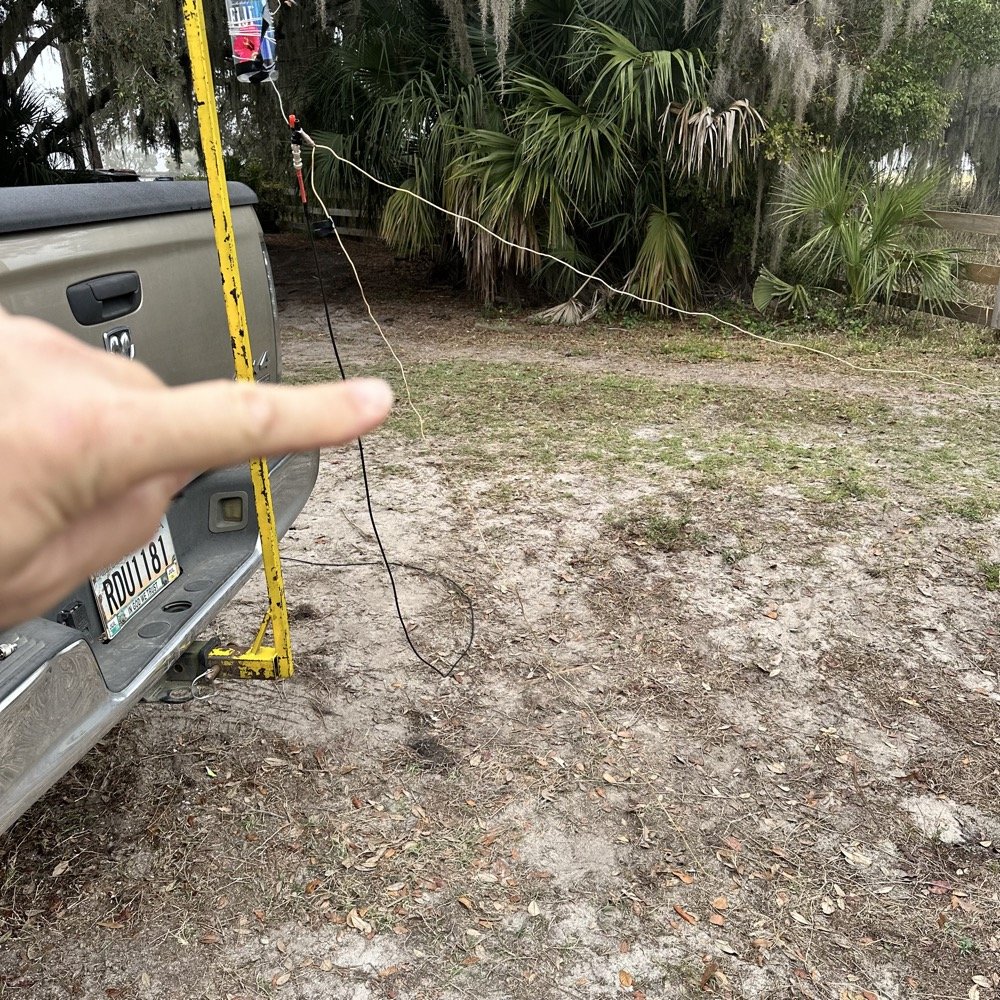
I chose number 2 on this list. The old load coil that I made from scraps back when I activated a park in Stevenson Alabama has been riding around in the “possibles” bag since with no real direction in lfe…till today. I rigged it up with a ziip tieand connected it slightly differently than last time, but it was essentially the same. I added the BNC to Banana plug adapter to the coax with a double ended male BNC coupling and then simply connected the radials to the black lug and the “coil” to the red lug. Now to be fair, this was not a plug and play system by any stretch of the word. I had to fiddle with the coax placement (as it acts as a radial to be honest here) and I also tinkered with the two ground radials quite a bit till I came up with what you see below.
I found that laying one radial on the ground and having one elevated (I dropped the end weight for one over the top rail of the wooden fence) gave me the best tune. The SWR was better than last time, coming in at about 1.5 : 1 and it didn’t have a narrow passband. This meant the Q of the antenna was reasonable and I didn’t have to retune it for small changes in the radio frequency.
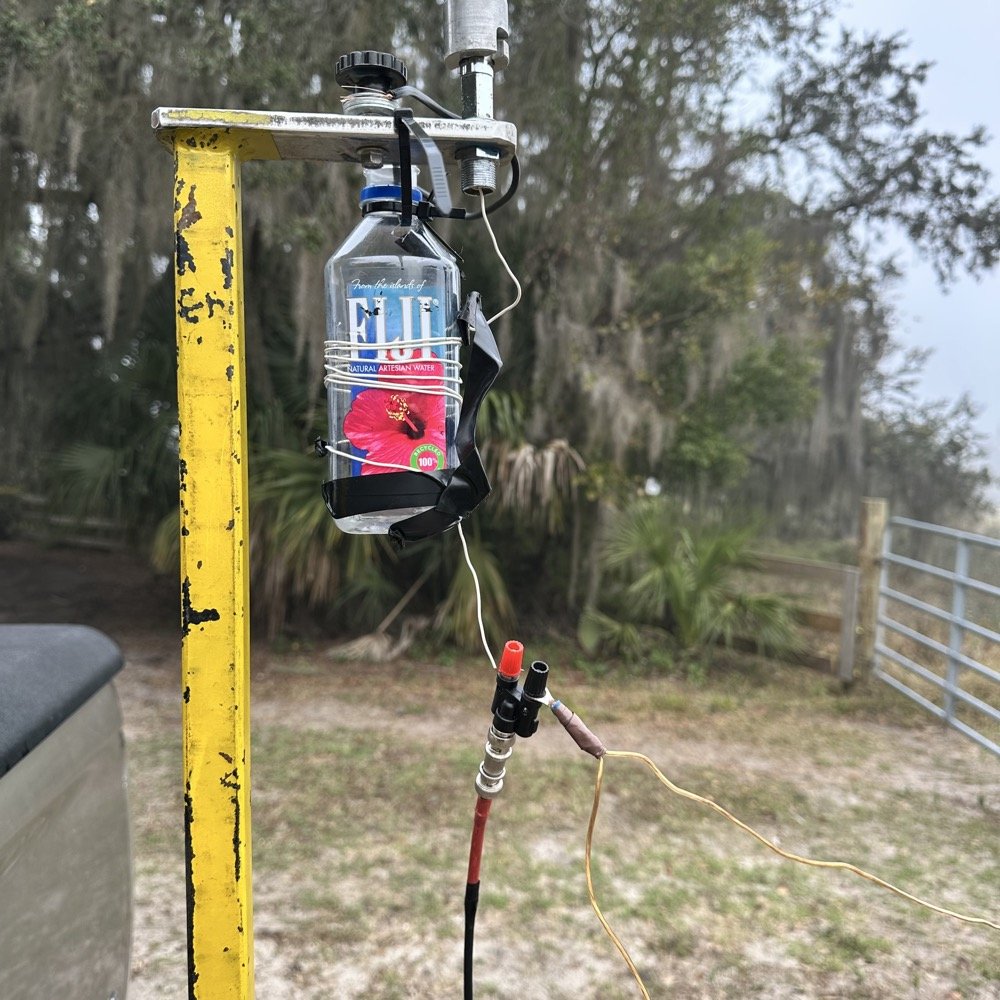
If I am going to keep using this coil, I really need to get a banana plug connector out of the parts bin and add it so I can plug the wire into the antenna more securely. I had it blow out once with the wind this morning and my radio went crazy…lol. Fortunately I am running more robust finals in my HF Signals sBitx now and it can handle high SWR for a little bit without killing it like before. When the upgrade came out to run IRF510 transistors, I opted to use some IRF520s I had on hand instead and these work really well once you get the bias dialed in properly. I have run them full tilt in the sBitx into a dummy load on 80 meters (where I can still get 40 or more watts output) and the radio fan will start to cycle after a little while. That is the only way you know it is pumping out the RF, well and the amp meter on the power supply…
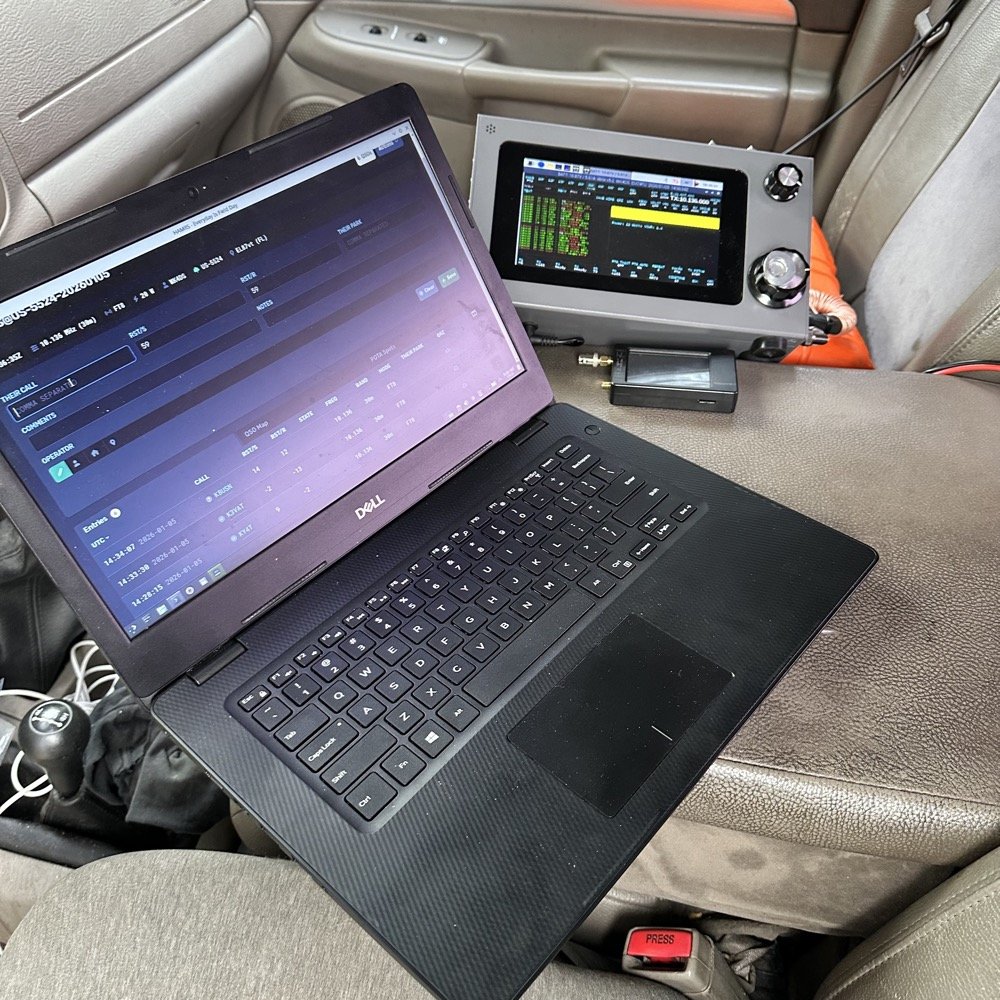
Below is the HF Signals sBitx SDR operating FT8 natively. The computer is there only to log, it is not connected to the radio at all. This is the reason I bought this radio to start with. I wanted FT8 to be a function inside the radio. I couldn’t understand why the big brand like ICOM, Yeasu and Elecraft had not figured this out yet. It is like they dont want to recognize these other modes or something so they make you buy a computer just to use them.
I also see the hypocrisy of my statement here what with a computer just sitting there in the photo below that could be running w-sjtx and it would be much easier to make contacts if I had that…I guess. But here is the deal, right now the computer is a luxury and I can still activate…even on FT8 whether I have it or not. I don’t need it to be able to use that mode. That is nice for the days that I forget the computer, or the computer battery is dead… I can still log contacts in my notebook and make a digital log when I get home later. If the computer becomes integral to the activation, now the system is relying on it and should something go wrong with it, I am not dead in the water and FT8 has saved my bacon a couple of times already. The wonder of how weak a signal can be and still be useful on FT8 is amazing to me. I can’t even hear the signals sometimes and the display will show a dozen stations.
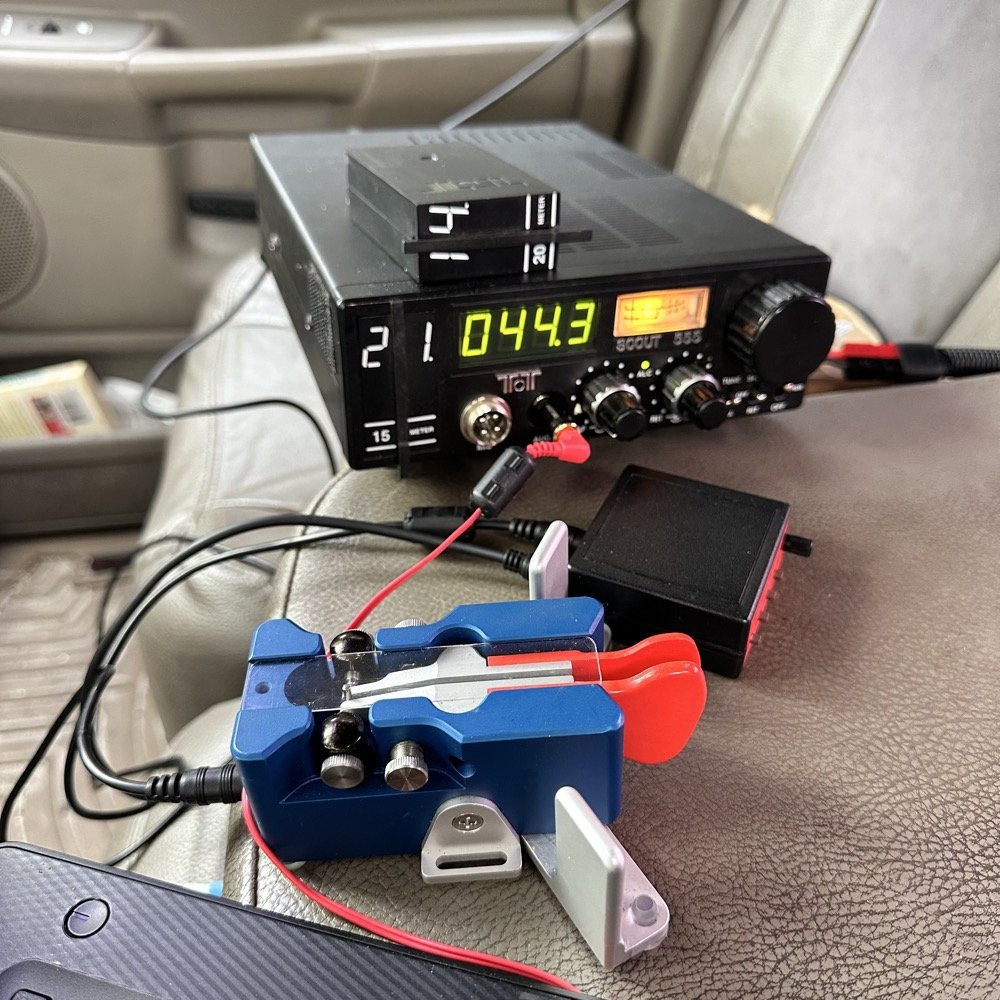
After getting enough FT8 contacts on the lower bands to secure the activation, I pulled out “Ole Reliable” and grabbed a couple of band modules for it and set out working CW contacts. I started on 20 meters and worked several stations with some being in the noise and some being loud so I was not sure what the band conditions really were other than…open…
I had a great run on 20 meter and when I hit a lull in stations, I switched the radio over to 15 meters to see what I could hear. Well, for a weekday 15 meters HF was hopping! The Ten Tec Scout 555 Amateur Radio was getting calls from all over from what I could tell. I made one hunter QSO and then setup on 21.045mhz and started calling CQ. It didn’t take long to work several stations and then I was getting mini pile-ups! At one point the band opened to Europe and I worked 2 stations across the pond! One was in France and the other Italy. I worked way more calls on 15 meters for some reason. The antenna take-off angle is real steep for 15 meters too so stations inside 1000 miles are not able to be heard. IT just hops right over this region, but I can easily hear the west coast and the EU easily. I will occasionally get a call in the log from Hawaii or south America but it is kinda rare to be honest. Today I saw a odd call which was from Indonesia if I remember right. IT was on FT8 and was booming in, but they were the center of a pileup and couldn’t hear me. It was funny to look at the log on the radio and see so many other stations also calling this one call sign.
Finally the time came to break down the radio and go get Teresa from her class so I bid farewell to Chito Branch for now and headed back to civilization.
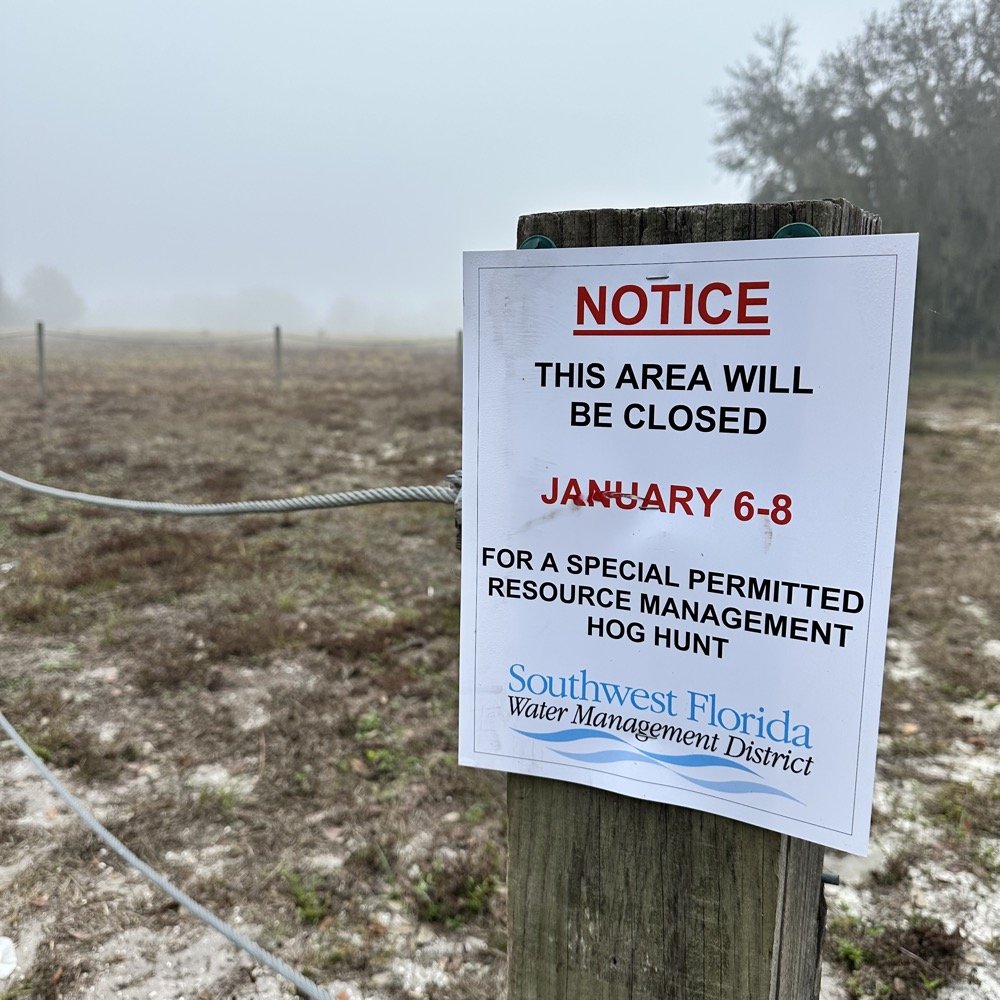
Chito Branch is a wildlife management preserve so they have hunts there from time to time, I found out this was for a wild hog hunt to control the hog population. I don’t go to these areas when I see these signs. I was fortunate that I had just happened to get here the day before it started. All in all, it was a good day of radio and I hope you enjoyed the little write up I did about it.
WK4DS
73